Wednesday, October 9, 2024

Unrealistic Expectations

Unrealistic Expectations


Motherhood is a journey characterized by joy, growth, and often, unshakeable self-doubt. Many mothers pour their hearts into parenting, yet walk a fine line between feeling accomplished and feeling inadequate. The reality is that even the best moms can navigate their entire lives without ever truly believing they are 'good enough.' This article seeks to shed light on the pressures mothers face, the unrealistic standards imposed on them, and the importance of redefining what it means to be a 'good' mom.


The Weight of Expectations
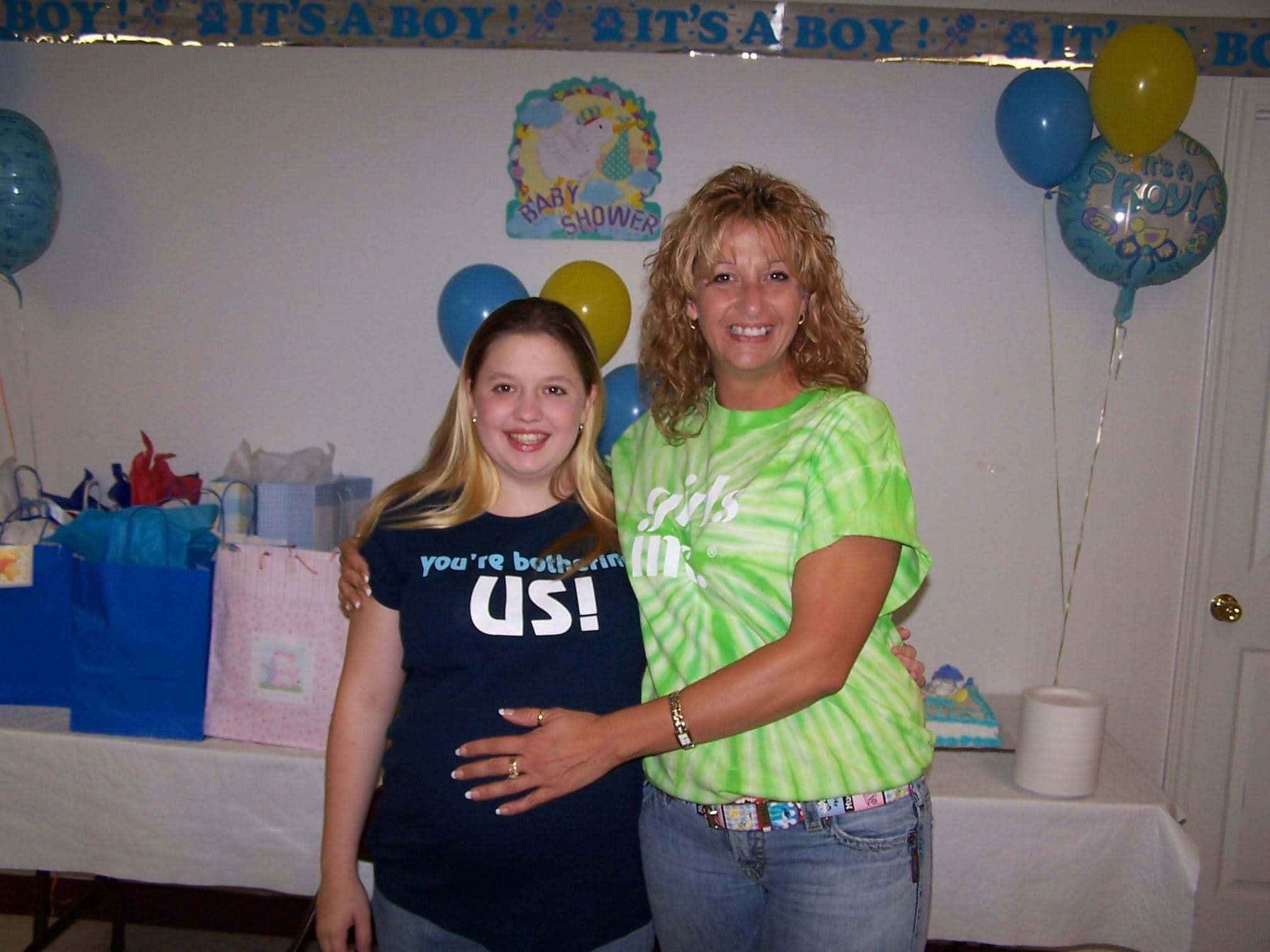

From pregnancy throughout childhood, society imposes a barrage of expectations on mothers. These standards are often amplified by social media, parenting advice columns, and even well-meaning friends and family who share their own successes. Moms may feel pressured to be:


- Perfectly Patient: The expectation to maintain a near-constant state of calm, even in challenging situations, can be overwhelming.


- Multitasking Maven: Balancing work, home, children’s schedules, and personal interests can create feelings of inadequacy when perfection isn’t achieved.


- Social Connector: Hosting playdates, remembering birthdays, and maintaining friendships can feel like an additional burden on already busy schedules.


When mothers fail to meet these unrealistic standards, they often internalize feelings of guilt and shame. The cycle of comparison can quickly spiral into feelings of inadequacy, leading many to collapse under the pressure of perceived failure.


The Impact of Shame



In today’s digital age, images of perfect parenting, immaculate homes, and curated family activities proliferate across social media platforms. These snapshots can contribute to a skewed understanding of motherhood, leading to an endless cycle of comparison. Many mothers find themselves questioning their worth based on filtered portrayals of parenting, which can erode self-esteem and foster feelings of inadequacy. The truth is that motherhood encompasses a wide range of experiences, and the pressures to embody a specific ideal can detract from the genuine love and effort that mothers pour into their families.
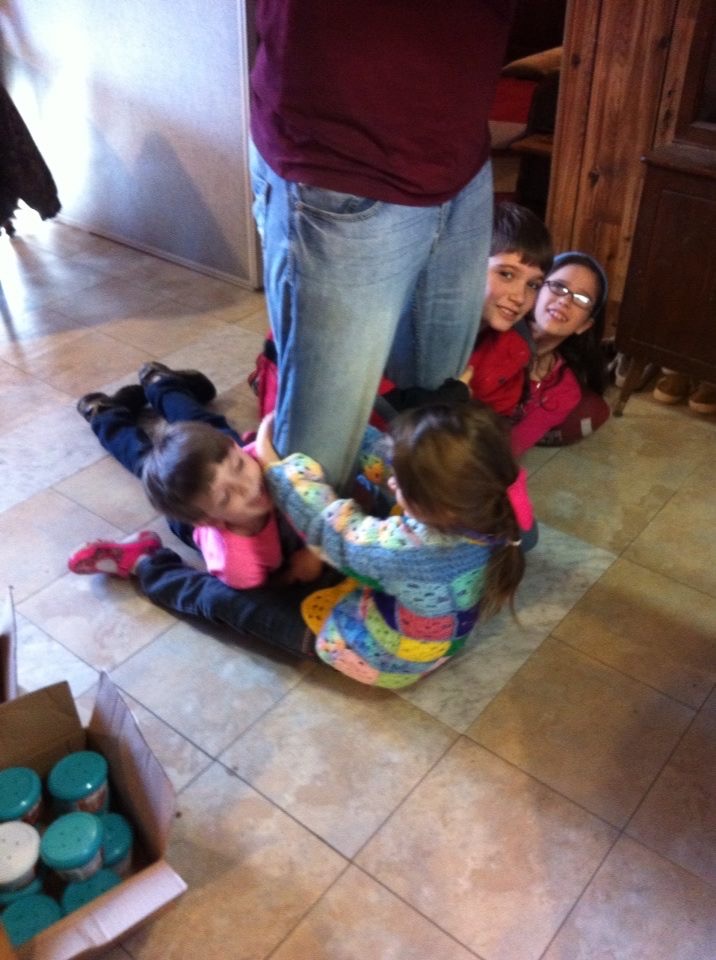

The issue extends beyond mere feelings of inadequacy. Shame can also have tangible effects on mental health, contributing to anxiety, depression, and feelings of isolation. A mother may experience sleepless nights, haunted by thoughts of what she should have done differently. She may reflect on a day filled with challenges and feel guilty for not enjoying every moment or for losing her cool with her children. We don’t need to feed her shame, she’s feeding it herself.
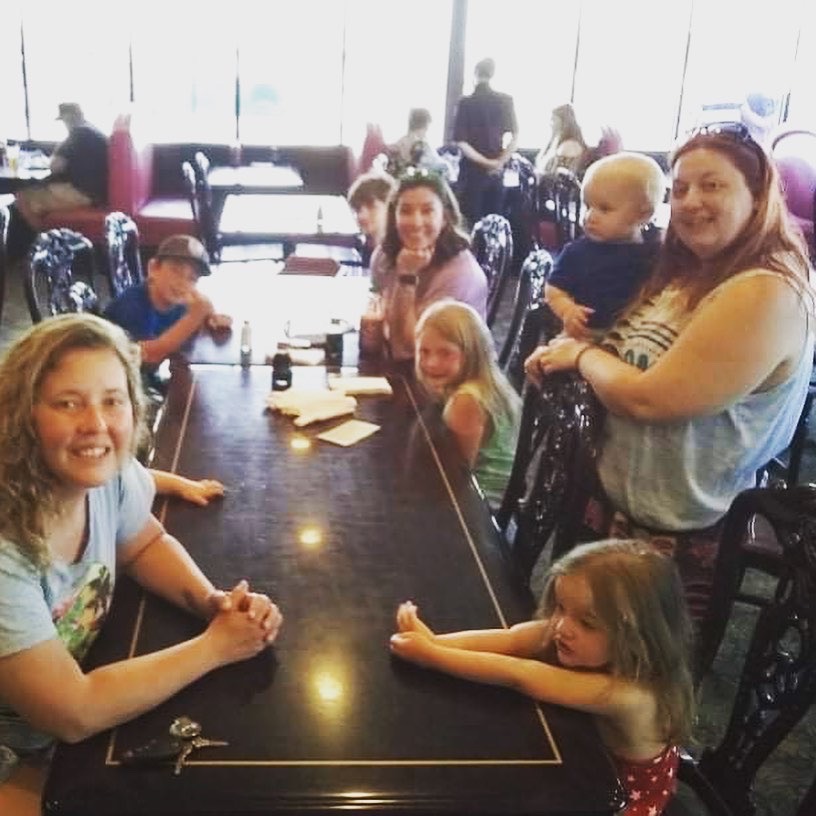

Critically, this shame can also affect relationships. A mom who feels like a failure may withdraw from social interactions or become overly critical of herself in the presence of others. This not only robs her of the community support that is so vital to motherhood but also creates a vicious cycle of guilt and anxiety.


Redefining 'Good Mom'
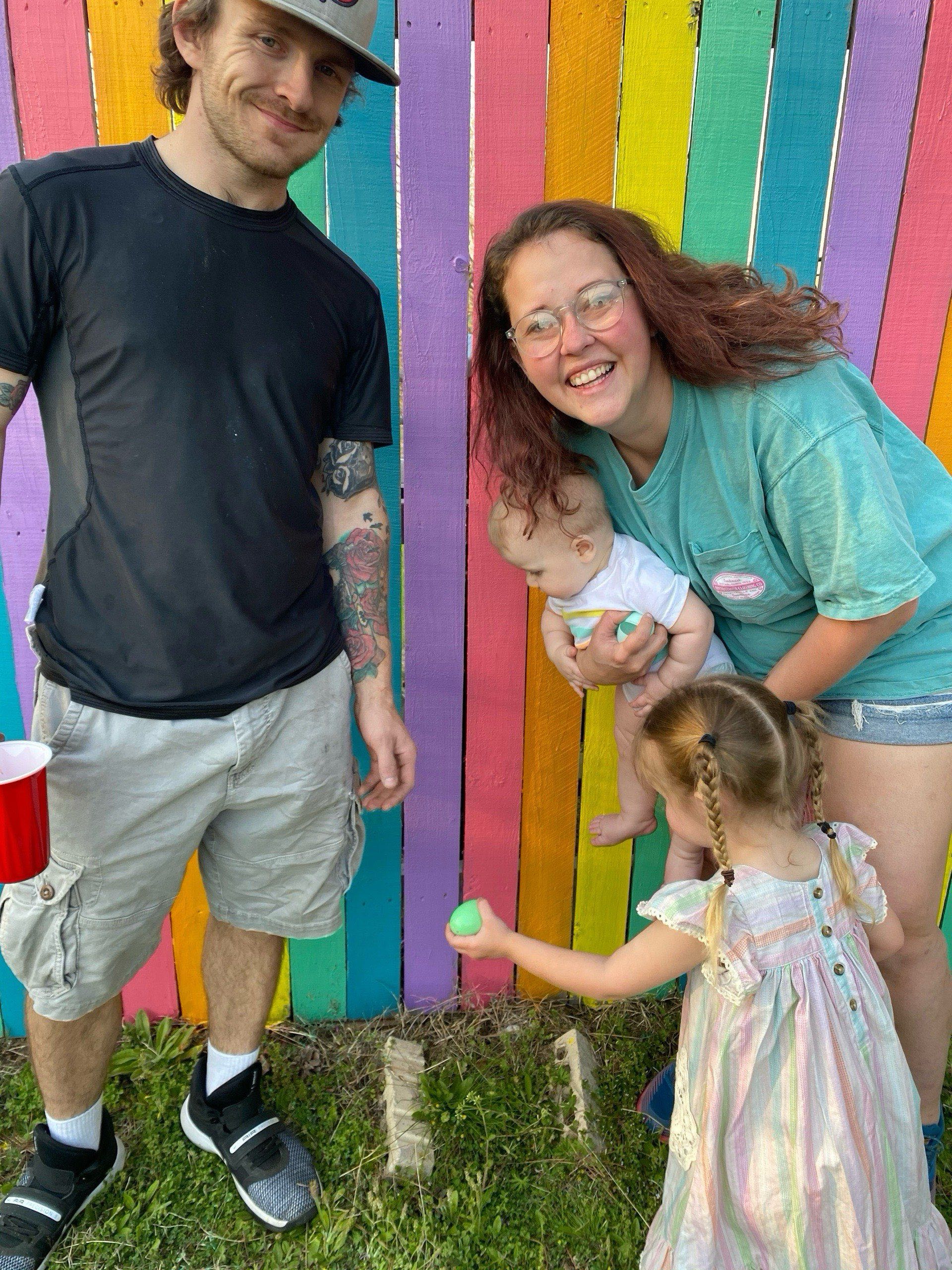

It is imperative that we shift the focus from unattainable standards to a more compassionate and realistic understanding of motherhood. A ‘good mom’ is not defined by her ability to create Instagram-worthy moments but by her consistency, love, and commitment to being present for her children.


Here are ways mothers can begin to change their inner dialogue:
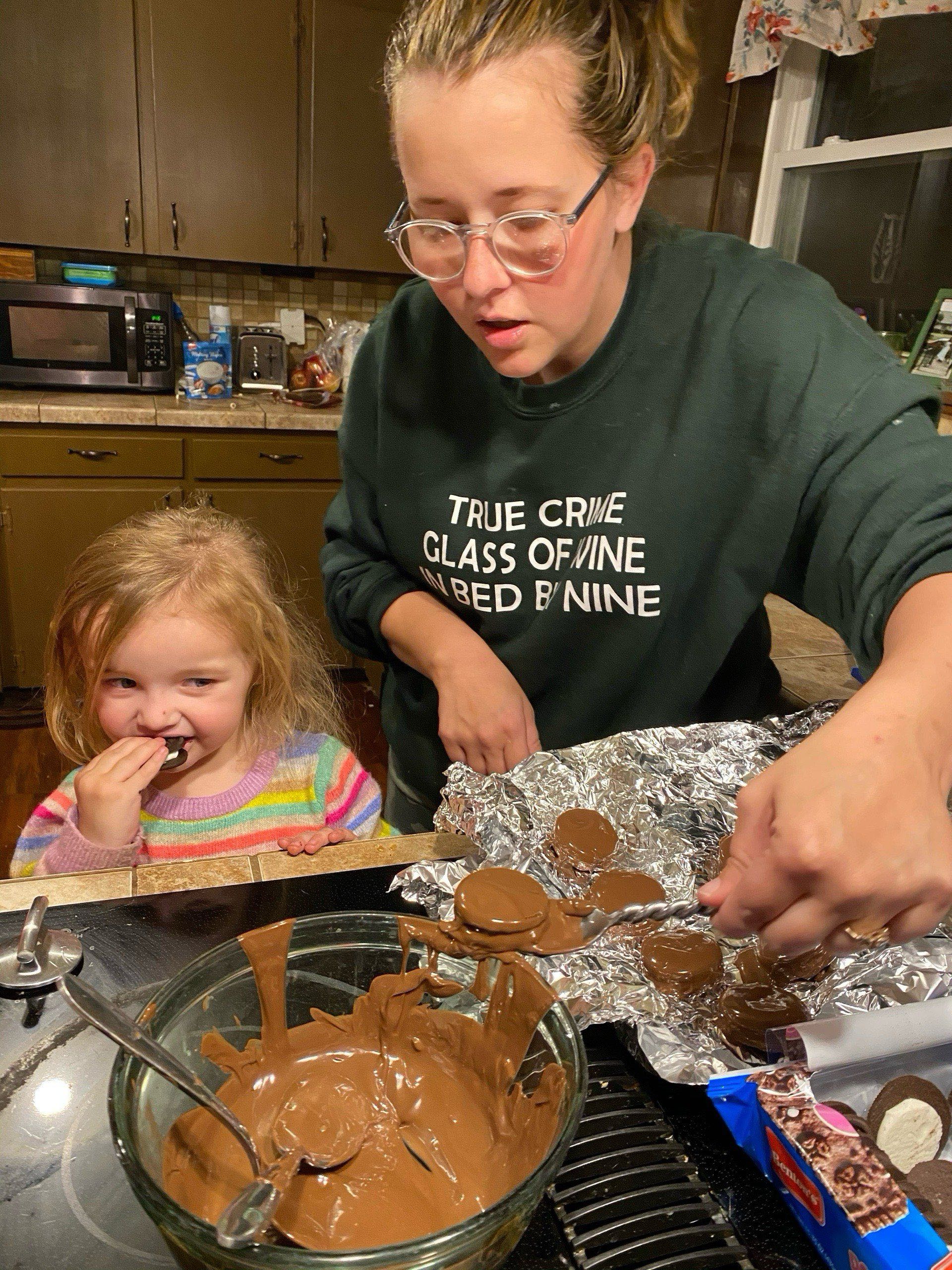

1. Acknowledge Imperfection: Everyone has rough days, and it's vital to accept that no one can be the perfect parent. Embracing imperfection can diffuse feelings of inadequacy.


2. Embracing Unique Journeys: A crucial step in redefining motherhood is for mothers to embrace their unique journeys, recognizing that no two paths are alike. Each mother can bring her own set of values, experiences, and circumstances without bringing shame to other mothers. By rejecting one-size-fits-all notions of what it means to be a “good mom,” mothers can begin to cultivate a sense of self-acceptance. This acceptance not only fosters a healthier mindset but also sets a positive example for children, teaching them that imperfection is part of the human experience.


3. Build a Support Network: Moreover, the importance of building a supportive community cannot be overstated. Connecting with other mothers provides a space for shared experiences, fostering understanding and empathy. Sharing struggles, triumphs, and candid moments can help dispel the myths of perfection that often surround motherhood. This collective support creates a nurturing environment where mothers can be vulnerable without fear of judgment. Celebrating each other's victories, whether big or small, reinforces the idea that love and authenticity outweigh societal standards.


4. Prioritize Self-Care: Taking time for oneself is not selfish; it is essential. Self-care allows mothers to recharge and return to their families with more energy and patience.


5. Seek Professional Help: If feelings of inadequacy become overwhelming, consulting a therapist or counselor can provide the support needed to navigate these feelings.


6. Reframe Success: Lastly, we must reframe our understanding of success in motherhood. Celebrating small victories with other mothers—such as cultivating a happy family dynamic, fostering open communication, or simply getting through a tough day—can help mothers feel accomplished despite the inevitable challenges.
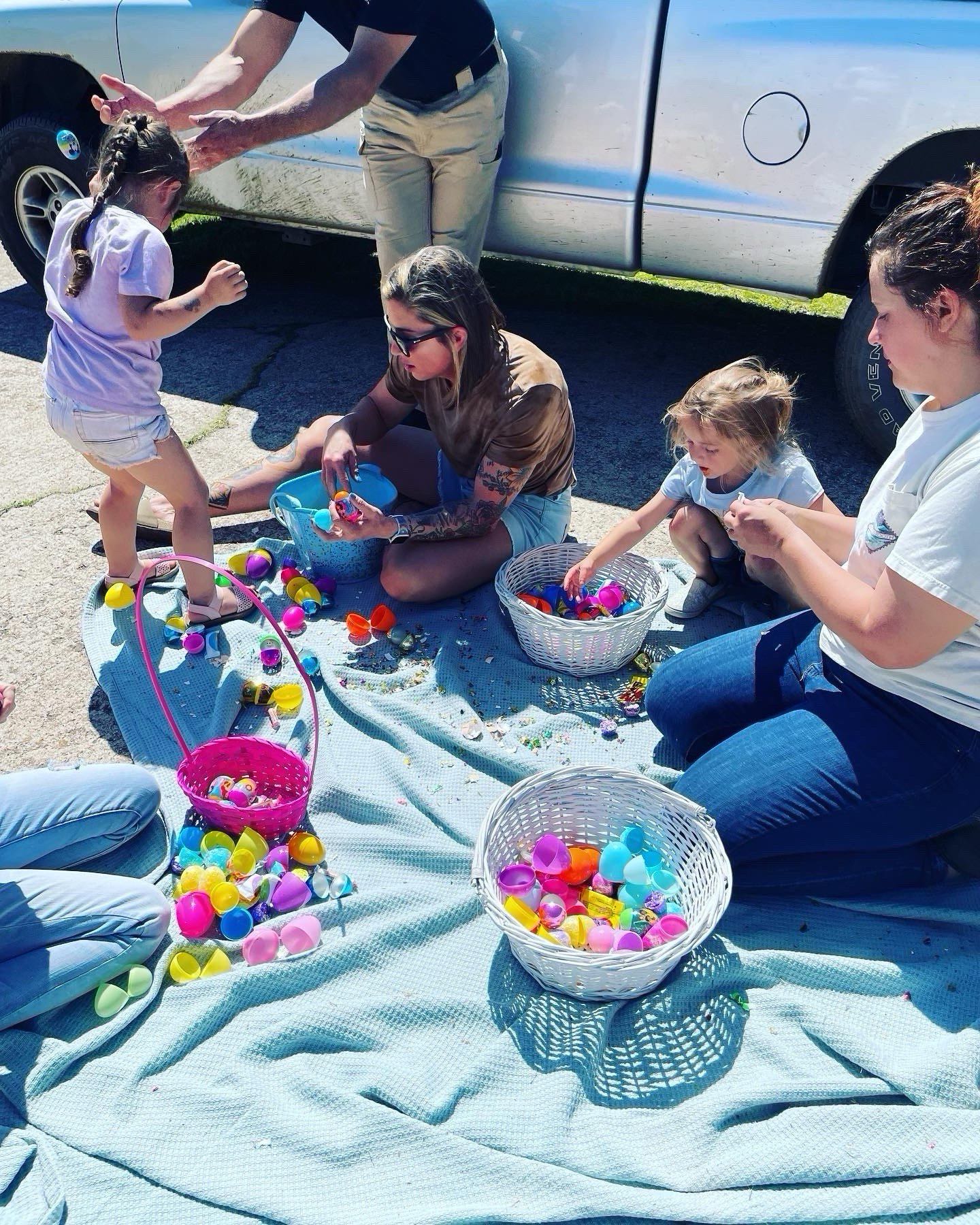


At the heart of motherhood lies an essential truth: love is what truly defines the role of a mother. It is the depth of care, the moments spent together, and the unwavering commitment to be present that creates lasting bonds with children. When mothers prioritize authenticity over perfection, they pave the way for deeper, more meaningful connections with their families. As they learn to navigate the bumps in the road together, mothers can instill valuable life lessons about resilience, compassion, and the importance of embracing one’s true self.



In conclusion, the journey of motherhood, while filled with challenges, presents an equally profound opportunity for growth and connection. By rejecting unrealistic standards and embracing their individual experiences, mothers can foster self-acceptance and build supportive networks. Let us continue to uplift one another as we navigate the beautifully complicated world of motherhood. In recognizing that love and authenticity define our role far more than perfection ever could, we create an environment where both mothers and children can flourish together. By standing in solidarity, we foster a culture where mothering—beautifully flawed and immensely powerful—is celebrated. Celebrate motherhood. Celebrate each other. 



Monday, September 16, 2024

Surviving and Thriving

Surviving and Thriving


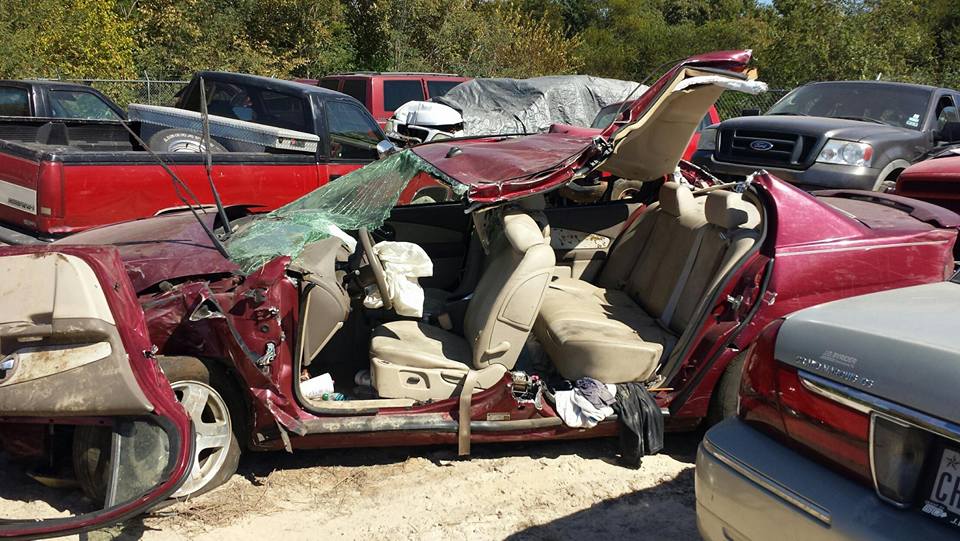
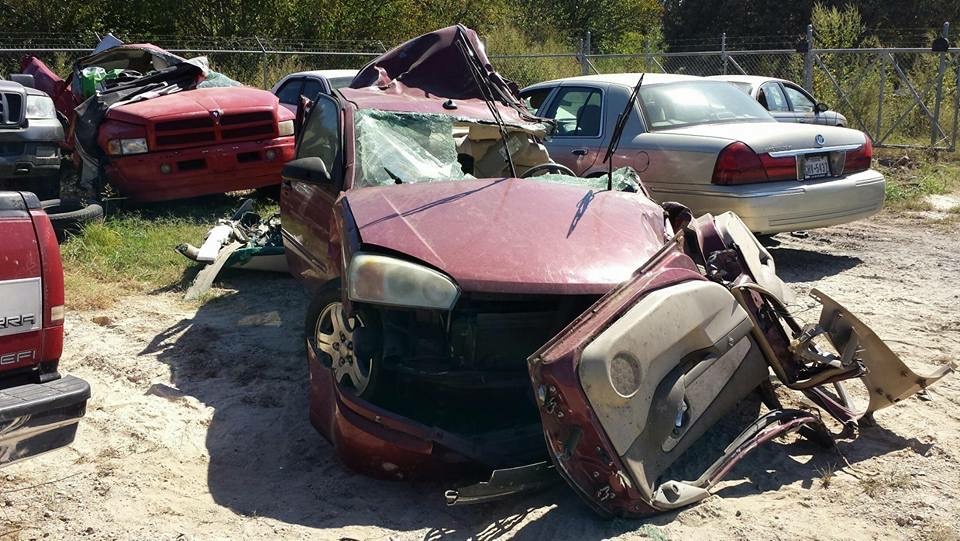
On October 9, 2015, an incident unfolded that would irrevocably alter the trajectory of my life. A car accident, precipitated by a sudden medical condition, catalyzed not only a physical transformation but also a profound emotional and psychological metamorphosis. This post recounts that harrowing experience and the subsequent journey of recovery, resilience, and self-discovery—transforming a near-death ordeal into a testament of personal strength and empowerment.


The Incident


Driving home from work on a seemingly ordinary night, I encountered an unexpected medical emergency that led to a catastrophic car accident. The moment I lost consciousness at the wheel is etched in my memory, encapsulated by the adrenaline-fueled chaos that ensued. My car veered off the dirt road, turned sideways, collided with a tree, and plummeted 20 feet off the cliff, eventually becoming wedged in a tree, precariously suspended above the ravine.


Caught between incapacitation and the instinct to survive, I endured excruciating pain as I searched for my phone, wedged against the windshield. This small piece of technology became my lifeline and was just out of reach. Fortuitously, I found my government emergency phone which allowed me to contact 911. In the midst of acute despair, I found a glimmer of hope when the operator informed me that help was already on the way, having been alerted by an observant civilian who noticed my car's flashing lights.


Immediate Response and Rescue


Time stood still as I awaited help, communicating my fears and anxieties to the operator. I remember being immensely reassured when she called my family and urged them to meet me at the hospital. Moments later, an officer appeared at the passenger side of my car. With gentle strength, he instructed me to cover my head while he broke the window. As he reached in and held onto me, he exuded compassion and steadiness during an unimaginable ordeal. Reassuring words like “pretty girl” and “sweet girl” echoed in my ears, even as I began to realize the reality of my situation.


This officer’s empathy extended beyond mere duties; he connected with me on a personal level, asking about my children and promising that I would soon be with them. This simple act of kindness—a conversation interlaced with warmth and genuineness—helped quell my fears and provided a semblance of comfort amid chaos. The responders used hydraulic tools to cut the driver door out from underneath me, a moment feared with anticipation as I ultimately relied on their expertise to keep me safe.


Medical Journey and Challenges


Once extracted from the wreckage, I was careflighted to the hospital, where my ordeal continued. En route, paramedics administered shots to calm my panic—physical manifestations of both my pain and fear. Despite the shifts in consciousness, the next distinct moment came when my father entered the room and grasped my hand tightly, anchoring me amidst the storm of uncertainty. However, this connection and safety were fleeting, as I soon lost consciousness again.


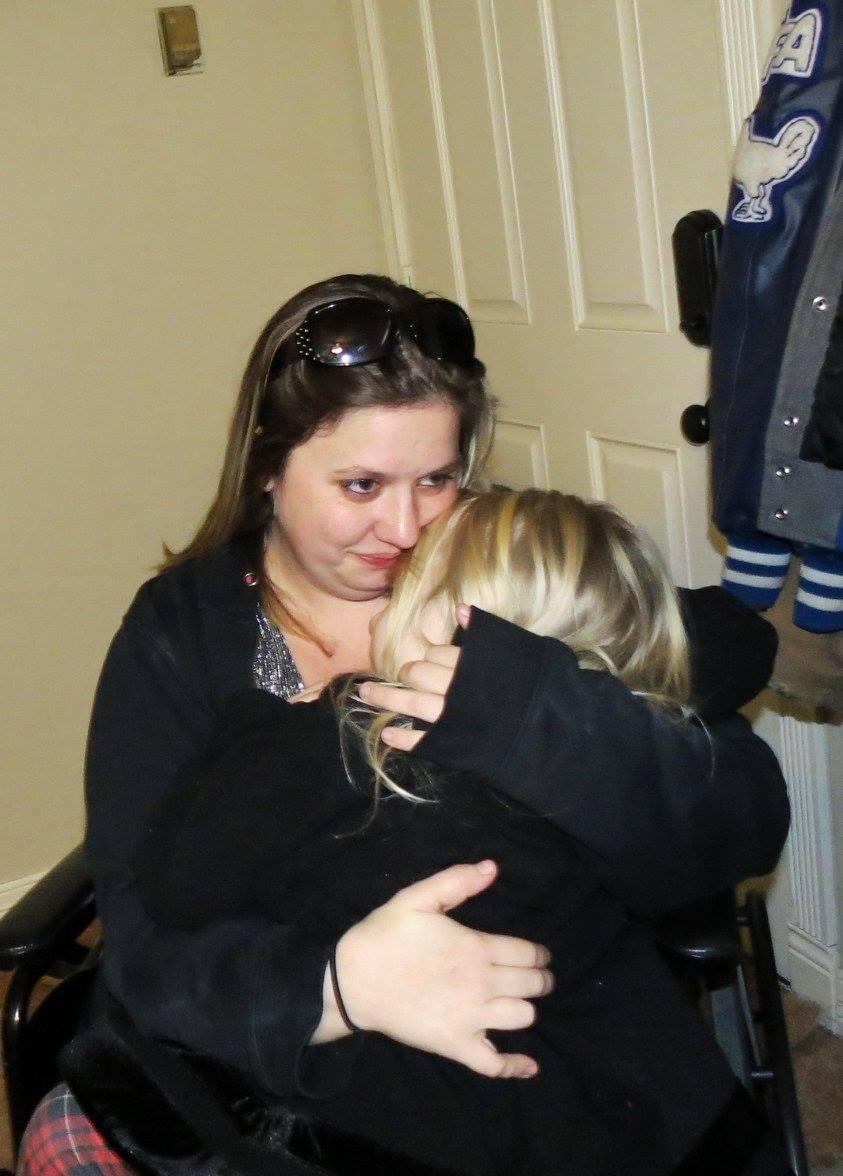
When I awakened in traction with 55 ataples, the gravity of my injuries was laid bare: a shattered femur replaced with titanium, multiple fractures, and a stark prognosis that I would rely on a wheelchair for a year and a walker for another year. This news layered my physical pain with emotional turmoil, challenging my identity and independence. 


Ironically, alongside my recovery from physical trauma, I found myself entangled in a relationship that further complicated my healing journey. Dating someone who relied heavily on me—emotionally and financially—added an additional burden during an already overwhelming period. This relationship dynamic proved unsustainable, and I confronted the reality that I was losing pieces of myself amid caring for someone else who didn’t return the investment in my wellbeing.


The Path to Recovery and Self-Discovery


Determined to reclaim my agency, I immersed myself in recovery. Fueled by an innate desire to regain independence, I defied the prognosis, relearning to walk in three months and ten days. This reclaiming of mobility served a dual purpose—physically, yes, but equally as a metaphorical stepping stone toward freedom from a relationship that had stifled my growth.


Emerging from this experience, I realized that the car accident symbolized more than just physical trauma; it also represented a pivotal moment of awakening. The harrowing aftermath ignited a fire within me, pushing me to piece together my life, rediscover my passions, and assert my identity. 


The absence of physical therapy due to insurance limitations taught me resilience and resourcefulness. I devised my own exercise routines and found inspiration within community resources and support networks, fostering connections with others who shared similar struggles. My dad built or begged for all the equipment I would need for my recovery. This network blueprinted my journey, transforming despair into a robust support system.


Choosing Life


Reflecting on the car accident of October 2015 is a complex blend of gratitude and reverence for life itself. While the physical scars remain, it is the emotional and psychological learning that has become my true compass. I not only survived the accident, but I emerged as a more resilient individual, embodying strength and determination. Life is no longer merely about overcoming adversity; it is about thriving in the aftermath.


This experience has instilled a profound understanding of resilience, the necessity of self-care, and the importance of surrounding oneself with supportive relationships. It has taught me that the journey toward healing is as vital as the outcome itself and that each stumble, setback, and triumph paves the road toward a more empowered future. Ultimately, I am no longer just surviving; I am thriving—walking into my life with renewed purpose and a renewed heart.

A Reflection on Choices and Consequences

A Reflection on Choices and Consequences


I find myself conflicted with an emotional storm as I recount the events that have led me here, to this moment. Sometimes, I think back to when I was still in Arkansas, caught between two very different men and the paths they represented in my life. Each offered a potential future, yet both came with the heavy weight of their familial ties.


The first man, with his strong sense of responsibility, had sick parents and a family that depended on him. I knew, deep down, that I couldn’t ask him to abandon them for me. His presence was a comforting reminder of loyalty, stability, and the values I held dear. I remember the look in his eyes as I made the decision to ask him to stay behind with his family. It was a bittersweet moment—I was thinking of what was right, but my heart ached for what could have been. 


Then there was the other man—the one who was so quick to drop everything for me, ready to embark on this new journey in Texas without a second thought. His spontaneity was thrilling; it felt like I was being swept away into a whirlwind of possibility and adventure. How was I to know then that his impulsiveness would foreshadow the very traits that would come back to haunt me? 


I thought I was making the right choice, but in hindsight, it feels like a cruel twist of fate. I married a man who, in his heart, was still just looking for something to fill a void—someone willing to follow without questioning the consequences. I married a man who was a fun choice out of convenience And now, I find myself wrestling with the harsh reality that I let the wrong man into my life, once again. I missed my chance to have unconditional devotion because such strong emotions terrified me, for a chance at whimsy. 


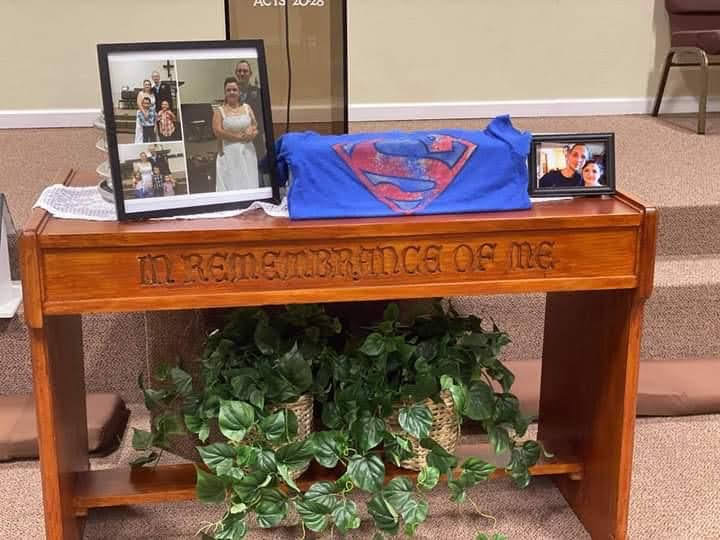
The universe has its way of teaching lessons, I suppose. When I lost my soulmate, the one I wished I could have expressed my love to before it was too late, everything crumbled. The despair wrapped around me like a heavy shroud, but what shattered me the most was my husband’s reaction to my soul mates death—him celebrating, almost gloating, as if he had won a twisted game. How could anyone be so callous? In that moment, I felt utterly alone, abandoned not just by my soulmate, but also by the very man I thought would stand by me in my sorrow.


The pain is unbearable when I think about it too long. I sometimes replay the choices I could have made, wondering if I’d walked instead of run, if I had listened to my heart more than my head. Could I have chosen differently? Would I have been happier? Or would the patterns of impulsiveness and betrayal ultimately find their way into any scenario I envisioned?


Now, here I am in Texas, surrounded by the vastness of this state, yet feeling more confined than ever by my own regrets. I need to learn to navigate forward, to mend the pieces of my broken heart. I long for the strength to let go of the past while still cherishing the love that was lost. Perhaps, in time, I will find clarity in my choices and work towards a future that honors both the man who was and the dreams that never came to be.


For now, I’ll close with a simple hope: That my journey will lead me to a place of healing and acceptance, where I can learn to embrace love anew despite the weight of regret, a life with a genuine connection to love and fulfillment.


With a heart still healing, 

Nicole Killian

Rediscovering Identity

Rediscovering Identity: Navigating Relationships in the Aftermath of Divorce


Divorce marks a significant turning point in an individual’s life—a moment of both liberation and vulnerability. For many, the emotional upheaval that follows can elicit a desire to reconnect with familiar faces in a search for comfort and affirmation. This post delves into my personal journey of self-discovery as I navigated the complexities of post-divorce relationships in Texas, highlighting the challenges and nuances of dating familiar faces and exes who had long been a part of my life. 


The Context of Divorce and Self-Discovery


Divorce is often accompanied by a swirl of conflicting emotions: relief, sadness, fear, and a newfound sense of independence. After my divorce, I found myself standing at a metaphorical crossroads, grappling with not only the end of my marriage but also with my identity in a world that felt suddenly different. The open door of my personal life became evident to those who had been around me, leading them to pursue what they perceived as an opportunity to rekindle old flames or explore potential relationships.


Living in Texas—a state rich in cultural diversity and social opportunities—meant that I was surrounded by familiar faces from my past: childhood friends, former partners, and acquaintances from different stages of my life. The presence of these individuals provided a sense of belonging amidst the chaos of my divorce, igniting the allure of re-visiting relationships that had once been meaningful.


The Appeal of Familiarity


Dating familiar faces afforded a unique sense of comfort. There was an intrinsic understanding that came from shared histories; memories intertwined with laughter, heartbreak, and mutual experiences formed a foundation upon which I could temporarily build connections. The allure was not just rooted in nostalgia but derived from a desire to reclaim parts of my identity that had been overshadowed by my marriage.


Re-engaging with exes meant I could navigate romantic relationships without the daunting challenge of starting from scratch. I knew their personalities, quirks, and, more importantly, their potential compatibility with my own. This familiarity created an environment where I could explore my sense of self in a romantic context, testing the waters without the anxiety of the unknown.


However, this journey was not without its complexities. Revisiting past relationships often meant confronting unresolved feelings, regrets, and sometimes, the inadequacies that led to those relationships’ endings. There was a certain contradictions that arose: while comfort and recognition were abundant, so too were reminders of why those relationships had faltered.


The Emotional Tug-of-War


Navigating relationships with familiar faces often felt like an emotional tug-of-war. There were moments of genuine connection, laughter, and reminiscence—times when the weight of my divorce lifted, and I could almost convince myself that these rekindled romances were part of my healing process. Yet, there were also moments of disillusionment that reminded me of the reasons I had embarked on the route of self-discovery in the first place.


The interactions often felt like a double-edged sword. Engaging with past partners revived memories and emotions I thought I had successfully moved beyond. Coupled with new realizations about my worth and aspirations, it became evident that I was, in many ways, conflicted with who I was versus who I had been in those relationships. Some evenings would be filled with laughter and companionship, only for others to leave me questioning my motivations and deeper calling for fulfillment.


Lessons Learned in Reflection


As I continued through this phase of dating familiar faces, reflection became an overpowering theme. It urged me to redefine my perspectives on love, intimacy, and self-worth. I began to ask myself hard questions: Was I seeking comfort or genuine connection? Was I trying to recreate the past or genuinely interested in exploring the present? Through this reflection, I began to lay groundwork for a healthier approach to future relationships—one that would allow me to honor my healing journey while remaining open to new possibilities.


Throughout these encounters, I learned the importance of embracing the lessons my past relationships taught me, rather than merely revisiting them as a refuge. I recognized the value of establishing boundaries and prioritizing my needs, rather than succumbing to the pressure of past connections or desires for validation. Ultimately, I discovered that healing from a divorce required not just reconnecting with familiar faces but also the courage to engage with myself—understanding what I truly desired most moving forward.


The Path Forward


As I reflect on the period of dating familiar faces following my divorce, I acknowledge it as a complex but pivotal phase of my journey toward self-discovery. Each encounter served as a stepping stone toward understanding my true self, my needs, and the depths of my emotional landscape. Ultimately, while the allure of familiar connections can serve as a comforting space in times of upheaval, it is through the process of self-discovery and introspection that new pathways to genuine fulfillment can be paved.


In embracing my identity beyond the confines of my marriage, I learned to navigate the intricacies of relationships with a newfound wisdom and authenticity. Moving forward, I aim to foster connections that honor my past while enriching my present—relationships grounded in deeper understanding, respect, and genuine emotional fulfillment. The journey of rediscovery is one that continues, but with each step, I take closer to embracing my true self amidst the complexities of love and life.

Sunday, September 15, 2024

Walk in Her shoes

Walk in Her Shoes


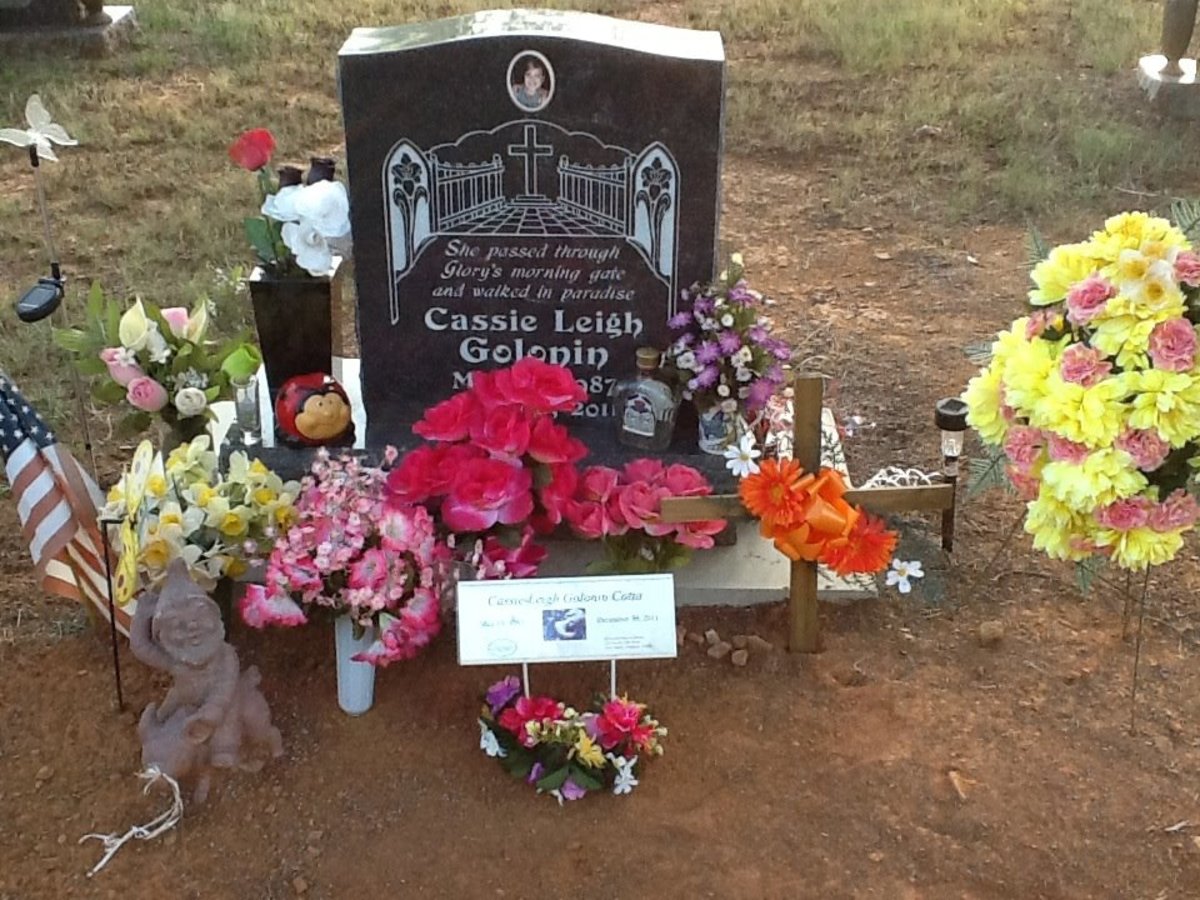
Friendship often blossoms in the most challenging of circumstances, and my relationship with my late friend, Cassie stands testament to that. A moment that could have been overwhelmed by vulnerability instead became the foundation of a lifelong bond. However, this journey took a tragic turn, as the very darkness that brought us together ultimately tore us apart. This post explores our friendship forged in adversity and the heartbreaking experience of losing her to domestic violence, a reminder of the urgent need to understand and combat this pervasive issue.


The Birth of a Lifelong Friendship


It was during high school—a time fraught with social hierarchies and the inevitable bullying that many adolescents experience—that I met my friend. Bullied by peers, I often felt isolated, harboring insecurities that made navigating those hallways an emotional battleground. However, when I was confronted by a group of bullies, she stepped in, defending me with a courage that was both unexpected and deeply comforting.


Her act of bravery not only earned her my gratitude but also forged an indelible bond between us. From that moment on, we became inseparable companions, sharing countless hours filled with laughter, dreams, and a mutual understanding of the challenges we faced. She understood what it meant to feel vulnerable but also recognized the strength inherent in standing up for others. Our friendship flourished in the shared complexities of adolescence, transforming into a deep connection that lasted throughout our lives.


A Life Cut Short: Tragedy and Loss


As we grew older and navigated the complexities of adulthood, we often reflected on our shared experiences and the sanctuary our friendship provided. However, the distant shadows of our high school days resurfaced in a chilling way when I learned that she had been the victim of domestic violence—something we had both only dared discuss in hushed tones during corner booth discussions about increasingly serious relationships.


The day I found out that her husband had killed her is seared into my memory. The disbelief, anguish, and utter devastation of losing someone who had been a source of strength for me was overwhelming. Compounding this horror was the fact that I was unexpectedly thrust into the heart-wrenching search for her body alongside her family and friends. I will never forget the chilling moment when her husband embraced me during this search, a gesture that felt surreal and deeply conflicting. In that moment, the man who had wrought such devastation presented himself to me as a grieving husband, yet I felt a profound sense of discomfort and betrayal when discovering that he was the one who moved my immovable force. 


Being drawn into that scenario underscored the complexity of domestic violence and highlighted its often-hidden nature. It forced me to confront the reality that the people closest to us can sometimes be intertwined in relationships laced with manipulation and fear. The man who had caused her harm was now a part of our shared grief, an unwelcome but stark reminder that abuse can shatter lives without warning.


The Impact of Loss and the Call to Action Against Domestic Violence


Losing my friend ignited an intense drive within me to understand the root causes of domestic violence and the systemic issues that allow it to persist. My personal grief transformed into a passion for advocacy, as I sought to channel my pain into awareness and action.


I began educating myself on the signs of domestic violence, understanding that it often goes unnoticed or unacknowledged due to stigma and fear. I advocated for victims, promoting awareness campaigns and supporting local shelters that provided resources and safe havens for those seeking to escape abusive situations. I even returned to college to work with victims of domestic violence, not knowing my own domestic violence would set up road blocks on that plan.


Her untimely death underscored the importance of amplifying the voices of victims and bringing awareness to the insidious nature of abusive relationships.


Through this journey, I have come to understand that friendships, especially those forged in the fires of adversity, carry immense power. They remind us of the strength we can find in one another, even when the world feels overwhelmingly dark. Yet, the tragic loss of my friend serves as a stark reminder that we must act to protect those who find themselves within harmful dynamics.


Remembering Through Advocacy


The bond I shared with Cassie remains one of the most profound relationships of my life, a beacon of hope formed in an unexpected moment of kindness amid adversity. Her tragically short life stands as a potent reminder of the urgent need to address domestic violence and its devastating consequences. 


In honoring her memory, I strive to contribute to conversations around preventing domestic violence and supporting survivors. Her legacy is now intertwined with my advocacy efforts—she inspires me to amplify the importance of friendship, solidarity, and the necessity for action against the scourge of abuse.


Ultimately, my story, her story, and the stories of countless others highlight a critical truth: friendship can be a powerful force for good, but we must also recognize and combat the evils that threaten those bonds to safeguard the next generation from experiencing the same tragic loss. The vigilance against domestic violence is not merely a societal responsibility; it is a deeply personal mission inspired by one courageous girl who chose to defend me when I needed it most, and who, through her life and tragic end, continues to inspire action for change.


*When everything was beautiful, and nothing hurt*

Seeking Refuge

Seeking Refuge: Reclaiming Safety and Stability After Domestic Abuse


The end of a marriage, particularly one fraught with manipulation and abuse, can destabilize not just emotional well-being, but also one's sense of security and safety within their own community. When my second marriage ended, the apprehension that my ex-husband was watching my every move cast a long shadow over my life. This post explores my journey back to Texas, my return to familial roots, and the vital role that reconnecting with my father and brothers played in my quest for stability and healing.


The Erosion of Safety and Trust


After my marriage collapsed, I found myself struggling with profound feelings of insecurity. The constant anxiety that my ex-husband might be observing my actions left me feeling vulnerable and isolated. This sentiment was exacerbated by the memories of his invasive tactics, which had successfully instilled a sense of dread in my daily life. The place that had once been a comfortable home became a reminder of my trauma, transforming my hometown into a battleground for my mental well-being. The once-familiar streets felt foreign, haunted by the specter of an oppressive relationship that sought to diminish my spirit.


Feeling unsafe in my hometown compelled me to consider relocating. The choices I faced were not merely geographical; they were about reclaiming my life, finding solace, and ensuring a protective environment for my children. As I reflected on my options, I realized that returning to Texas, where my family had deep roots, might offer the stability I desperately sought.


A Homecoming: Reconnecting with Family


Returning to Texas marked a significant turning point in my life. In contrast to the isolation I experienced during my marriage, the warm embrace of family provided a profound sense of belonging and safety. My father and brothers welcomed me back with open arms, extending their unwavering support during this vulnerable time. The familiarity of home, coupled with the unconditional love of my family, served as a powerful balm for the wounds I had sustained.


The importance of familial support during times of crisis cannot be overstated. My father, a steadfast figure of support , provided guidance and reassurance that helped me rebuild my sense of trust. Conversations with him allowed me to articulate my fears and reflect on the trauma I had experienced. His wisdom and experience became invaluable as I navigated the complexities of healing from abuse.


Furthermore, my brothers offered both emotional and physical support. They stepped up to ensure my safety, helping me regain a sense of security I had long lost. Their presence not only created an atmosphere of protection but also fostered a deeper connection that reinforced my understanding of family solidarity. Together, we forged a new narrative—one of resilience and support, which reminded me that I wasn’t alone in my journey.


Rebuilding a Sense of Control and Independence


Settling in Texas also provided an opportunity to reevaluate my life and establish personal goals. With the support of my family, I began to redefine my sense of purpose and reclaim my independence. I sought employment opportunities that aligned with my skills and aspirations, which significantly contributed to my overall sense of self-worth. Engaging in work allowed me to assert my autonomy and demonstrate that I could rebuild my life on my own terms.


Moreover, searching for therapy and support groups in my new community also played a crucial role in my healing process. Surrounding myself with individuals who had their own experiences of trauma created a safe space for sharing and growth. The collective strength of those I met became a supportive network, reinforcing the idea that it was possible to heal and thrive.


A Journey Toward Safety and Renewal


Returning to Texas was more than just a physical relocation; it symbolized a journey toward reclaiming my safety and sense of self. The support of my father and brothers was instrumental in this transformation, reminding me that family can serve as a sanctuary in times of turmoil. 


As I continue on this path toward healing, I recognize that the scars of my past will remain, but they do not define me. Instead, they serve as reminders of my resilience and the power of community in overcoming adversity. Through the process of rebuilding my life, I have come to appreciate the importance of safety—both physical and emotional—and the role that connection with loved ones can play in fostering a secure and nurturing environment. My experience underscores a vital truth: even in the face of darkness, there is a possibility for renewal, hope, and transformation. As I embrace this new chapter in my life, I carry with me the lessons learned, committed to nurturing my own strength and that of my family as we move forward together.

Rising From The Ashes

Rising from the Ashes: The Struggle for Empowerment Amidst Domestic Abuse


The dissolution of a marriage can bring about a whirlwind of emotions, but when that separation morphs into a calculated effort to destroy one’s life, it transcends mere heartbreak, delving into the realm of domestic abuse. My experience with my second husband, who seemed determined to break me both psychologically and physically, illuminates the dark reality of control and manipulation within intimate relationships. This post recounts the harrowing ordeals I faced as I navigated the treacherous waters of a abusive marriage, finding the strength to reclaim my life and secure a future for myself and my children.


The Descent into Control and Manipulation


When my second husband chose to leave, it was not simply a farewell but an initiation of a campaign to exert control over my life. His use of technology as a means of surveillance—installing spyware on my computer and a keylogger on my phone—was a manifestation of his need to maintain power even in separation. This invasion of privacy plunged me into a state of constant fear and anxiety, as I felt perpetually watched and targeted. Such actions reveal a concerning trend in modern domestic abuse, where technology becomes a vehicle for harassment, enabling perpetrators to monitor and manipulate their partners without physical presence.


His manipulation did not stop with mere surveillance. By sabotaging my employment and education, he effectively stripped me of my independence and resources. Getting me fired from my job was not just an act of vengeance but a calculated strategy to eliminate my means of financial independence. Similarly, uprooting my education was part of his larger goal to render me powerless and isolated. The psychological ramifications of such actions are profound, as they clutter the mind with self-doubt, fear, and a loss of identity.


The Violence of Desperation: Arson and Threats


The most chilling of his actions came when he set my apartment on fire—an extreme act of destruction that transcended physical damage and spoke volumes about his volatile nature. This recklessness threatened not only my life but also the sanctuary where I had sought to raise my son and our daughter. Fire is often a potent symbol of danger, destruction, and uncontrollable rage, and in this instance, it embodied all my fears: loss, vulnerability, and the imminent threat to my family's safety.


His attempt to take my daughter from me at the McDonald’s play place epitomized a profound breach of maternal trust and security. This act was not only a blatant disregard for my role as a mother but also an effort to assert dominance over my most cherished relationship. These incidents underscore a fundamental truth: the psychological and emotional abuse often inflicted by a partner can be as damaging as physical violence, leaving deep scars that may persist long after the threats have subsided.


Finding Strength and Reclaiming Independence


In the face of such adversity, it is easy to succumb to despair, to question one’s worth and capabilities. However, this relationship ultimately became the crucible in which my resolve was forged. As I confronted the realities of my husband’s abuse, I recognized the importance of seeking support and reclaiming my narrative. Connecting with domestic abuse advocacy groups and therapists provided me with the tools to navigate the complex feelings of fear, anger, and trauma.


Establishing a safety plan was crucial; I learned to document his behaviors and involved law enforcement when necessary. Surrounding myself with a network of supporters—friends, family, and professionals—empowered me to take action and stand my ground. It became clear that my fight was not only for my freedom but also for the well-being of my kids, whose safety and stability were at stake. 


Conclusion: A Journey Towards Empowerment and Healing


Emerging from this dark chapter of my life, I stand not just as a survivor but as a testament to the resilience of the human spirit. The journey toward healing is long and riddled with challenges, but through determination and support, I have regained my sense of self-worth and purpose. It is crucial to recognize the signs of manipulation and control in relationships and to understand the profound impact of psychological abuse.


Today, I am committed to sharing my story, advocating for those who may be in similar situations, and raising awareness about the often-overlooked dynamics of emotional and technological abuse. By shining a light on these issues, we can cultivate a society that recognizes the signs of manipulation and supports individuals in reclaiming their lives. 


Rising from the ashes of betrayal and trauma has been a transformative experience, leading me not only toward personal empowerment but also toward a future where I can provide a safe and nurturing environment for my children. No longer will I allow fear to dictate my life; I choose resilience, strength, and hope as my guiding lights on the path ahead.

Unrealistic Expectations

Unrealistic Expectations Motherhood is a journey characterized by joy, growth, and often, unshakeable self-doubt. Many mothers pour their he...